Professional Biography
As a key Software Engineer at Shimulimuli Company Limited, Hamis Yassin Mbaruku designs, implements, and maintains the digital structures that drive cultural preservation, academic research, and interactive tourism. Utilizing modern systems engineering, he builds bridges between software architectures and local preservation efforts.
Technical Leadership in Cultural Profiling
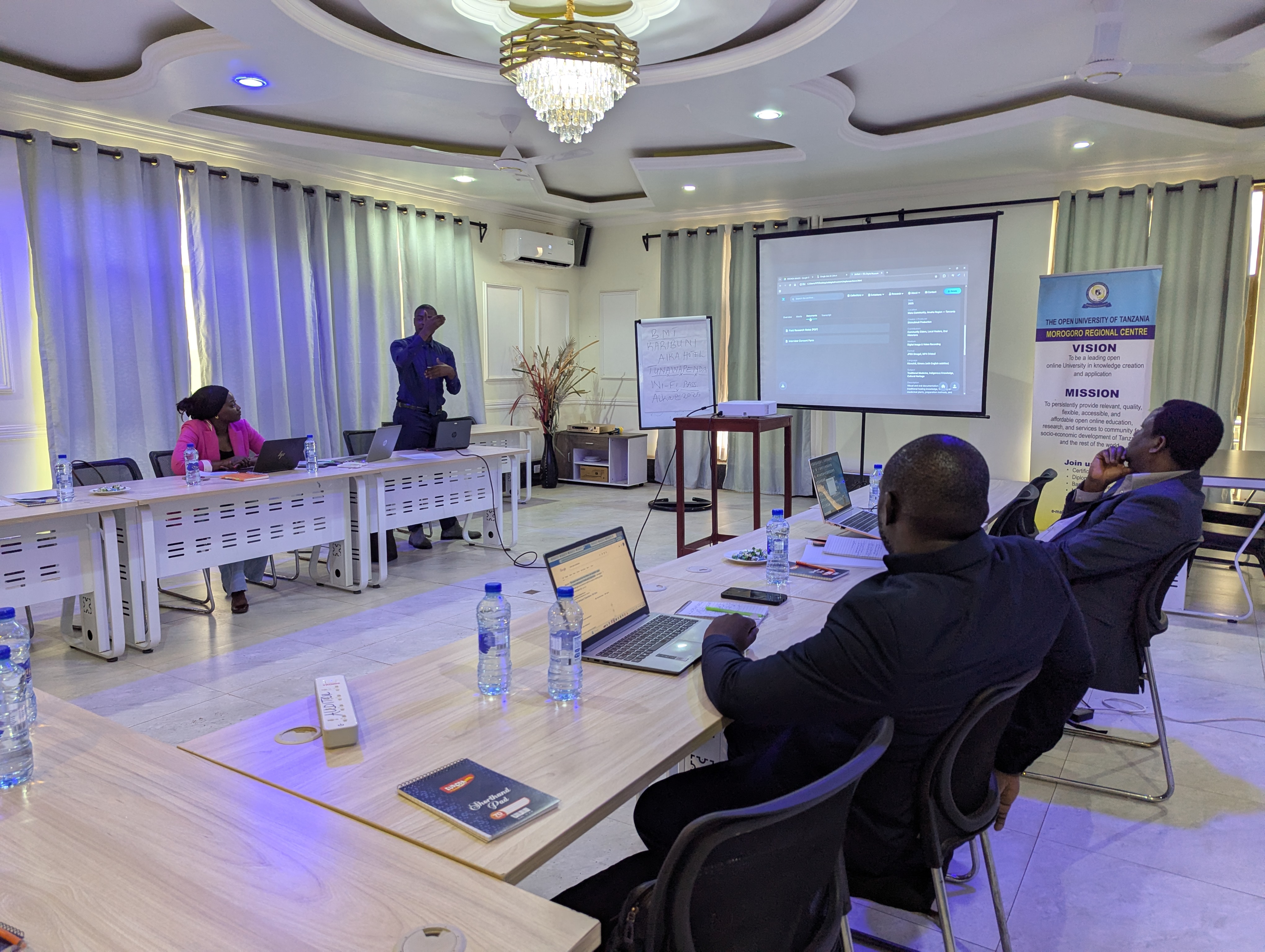
On 16 April 2025, at the strategic Flomi Hotel workshop, Hamis began his official support for the Tanzania's Traditional Culture Data Profiling Project. Serving as the Lead Technical Trainer, he designed and delivered modules to help students from The Open University of Tanzania (OUT) apply digital systems, data management, and metadata structures in the field.
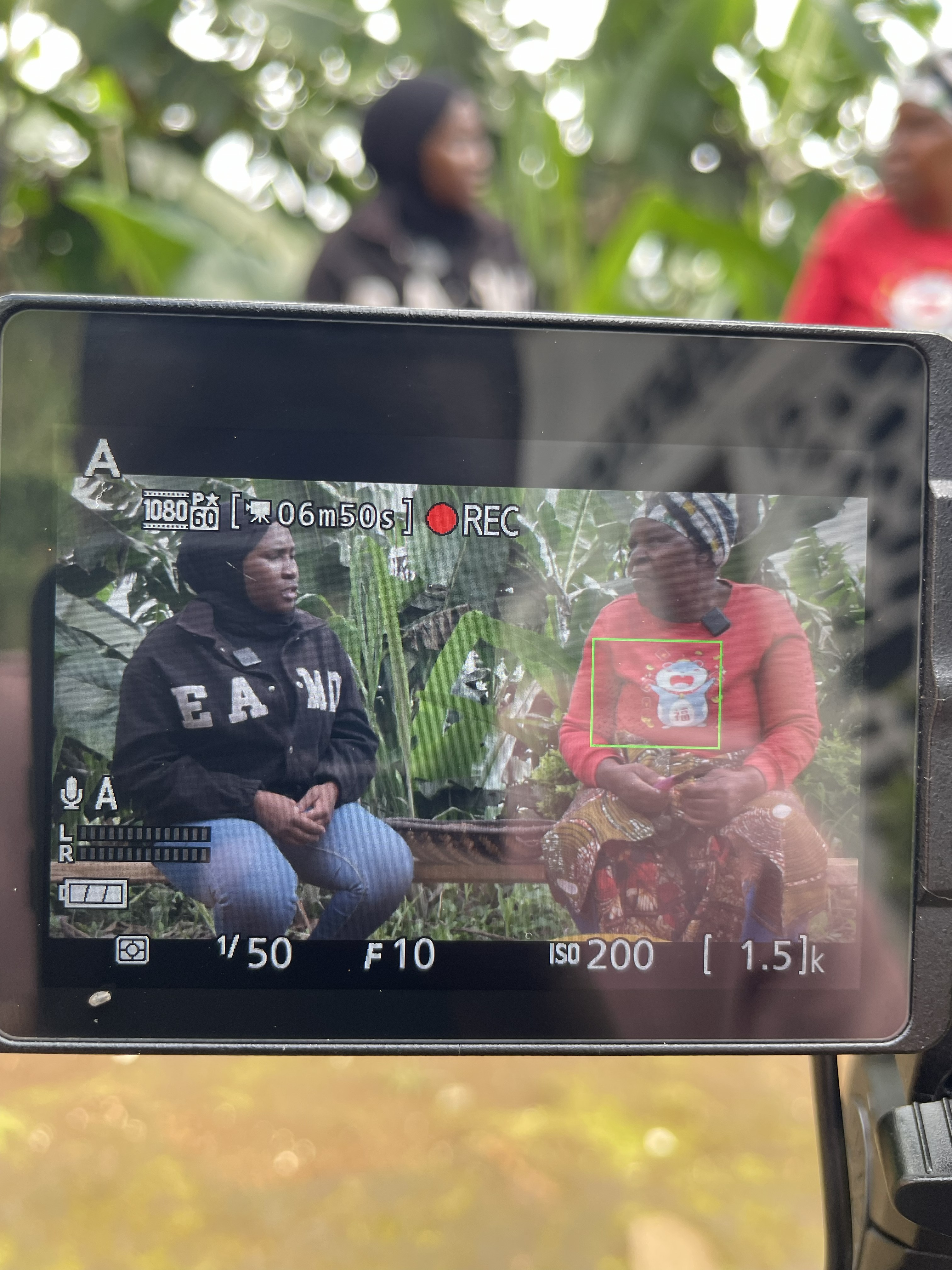
Transitioning to his role as a Field Supervisor, he worked directly alongside student teams to handle software debugging, monitor data schemas, and ensure the successful collection of digital assets in key environments.
Supported Field Regions (Phase I):
Morogoro (Vidunda)
Mtwara (Newala)
Kilimanjaro (Same)
Arusha (Meru)
Mwanza (Kisesa)
The Digital Museum Software Ecosystem
A core focus of Hamis's engineering work with OUT is the continuous development of the Digital Museum Initiative, which implements two primary platforms:
01
Cultural Streaming Engine
Custom streaming pipelines optimized for hosting and archiving diverse cultural digital files:
- Traditional dances, music, and physical craftsmanship footage
- Oral history records & historical documentaries
- Community storytelling and audio-visual archives
02
Heritage E-Commerce Engine
An e-commerce marketplace built to boost the visibility of regional artisans:
- Handicrafts, traditional apparel, and regional art
- Educational books and printed heritage resources
- Digital souvenirs & media assets
Capacity Building Allocation
To guarantee robust field-training standards, TZS 70 million was allocated to cover training, research, and technical mentorship resources for students across Tourism, Journalism, and Public Relations.
National Scaling & Phase II Release (2026)
Following a comprehensive project review on 27 February 2026 in Morogoro, the committee approved expanding the software deployment into five additional regions:
Dodoma
Lindi
Ruvuma
Kagera
Mara
Hamis was reappointed as a Field Supervisor and a core member of the Technical Studio Team. His work remains focused on maintaining data schema consistency and structuring data pipeline standards across the new implementation areas.
Software Architecture Roadmap
During the workshops held on 19–20 June 2026, Hamis led the technical onboarding sessions for incoming student researchers, providing instructions on digital preservation standards and data curation processes.
At this event, Hamis showcased the architectural blueprint for the National Digital Museum, reporting that the database and platform codebase are approximately 80% complete. His ongoing efforts highlight how thoughtful software engineering can create lasting platforms that preserve and share regional history.